Flexible composite packaging
Composite flexible packaging refers to packaging made by laminating two or more layers of film, where the outer layer is the decorative layer, usually featuring printetterns (with specific functions such as moisture and oxygen barrier); the middle layer is typically the functional layer (for gas barrier, light blocking, etc.); and the innermost layer the heat-seal layer. Composite packaging materials are formed by bonding several substrates with different properties into a multi-layer structure using techniques such as lamination, extrusion coating,co-extrusion, to meet the packaging performance requirements for transportation, storage, and sales, as well as the specific requirements of certain products.
Applications and Characteristics
In a broad sense, this multi-layer structure also falls within the category of composite materials. For example, fried potato chips used to be packaged iper bags and had to be sold immediately after production, as moisture would soften them, oxygen would cause them to go rancid, and the oil in the chips would seep ino the paper. Wax paper was once used to improve the moisture resistance of the packaging paper, which was the first multi-layer structure. However, the modification of a single substrate is very liited. Today, fried potato chips and countless other foods can be transported over long distances and stored for months, because the packaging formed by multi-layer structures can effectively serve functions such as duontamination resistance, gas barrier, aroma retention, transparency (or opacity), UV protection, decoration, printing, and ease of mechanical processing and sealing. Many modern packaging techniques, suum packaging, gas-flush packaging, packaging with oxygen absorbers, packaging for dried foods, aseptic filling, retort packaging, and hot filling of liquids, are closellated to the development and application of composite packaging materials.
Introduction to the production process
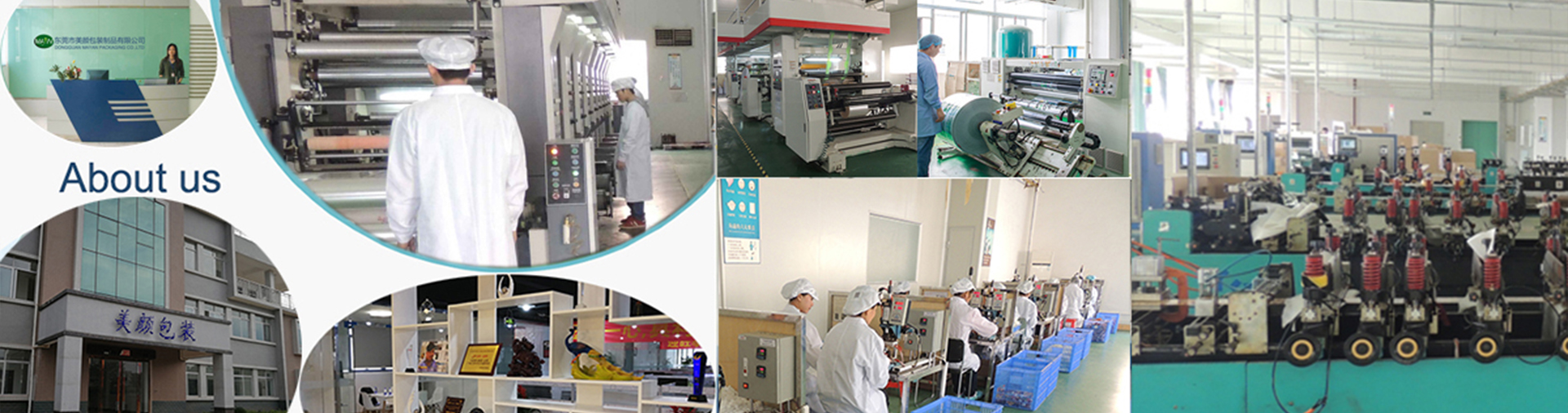
The production process of composite flexible packaging materials is generally similar to that of ordinary packaging and includes the following steps: packaging design, process rplate making, printing, lamination, slitting, and bag making (or sheeting). Packaging design is usually completed by professional design companies, or sometimes by the manufacturers or packaging materis themselves, followed by a review by the manufacturer's quality assurance department. Composite flexible packaging design includes structural design and graphic design. Structural design is based on the properties of the ents and the requirements of the manufacturer's packaging machinery; graphic design is based on aesthetic requirements, industry regulations, and technical requirements for machine operation. Different graphic designs not only affect the visual apnce but also increase printing difficulty, complicate processes such as slitting and bag making, and may even lead to the scrapping of an entire batch of products. Composite flexible packaging production ily composed of four key aspects: printing, lamination, slitting, and bag making, forming a complete production line. Printing is a crucial link in composite flexible packaging productioly utilizing two different printing methods and equipment: flexography and gravure printing.
Frequently problems
Due to their characteristics of vibrant colors, substantial results, and diverse forms, flexible packaging is becoming increasingly popular in the packaging of consumer goods such as food, phamaceuticals, daily chemicals, and textiles. Meanwhile, the issue of off-odors in flexible packaging materials is troubling many raw material manufacturers, and even more so the end-usersthe food and pharmaceutical industries. The off-odors from packaging materials not only adversely affect the sensory characteristics of the packaged contents, such as color, aroma, and taste, but pose a risk to consumer health to a certain extent, making it an issue of packaging safety that cannot be ignored.
Development
China's composite flexible packaging industry began in the early 1980s. After over 20 years of development, it h independent and relatively complete packaging sector, becoming a particularly important part of the packaging industry. The unique functions of composite flexible packaging are irreplaceable by other packaging methods, and its s are widely used in the packaging of various commodities such as food, pharmaceuticals, tea, cosmetics, beverages, alcohol, dairy products, aquatic products, and military supplies. With the ra increase in demand for composite flexible packaging, production equipment and technology have advanced rapidly. In particular, the development and improvement of domestic production equipment have led to a situation where imported and domestquipment are used in tandem, comprehensively expanding the scope of composite flexible packaging. Meanwhile, domestic enterprises have continuously carried out technological transformation and adjusted product structures, continuously developing new producs has filled some gaps in China's composite flexible packaging materials and taken composite flexible packaging to a new level. Due to the rapid rise of composite flexible packaging, the development of plastic ing has also been driven forward.
In summary, with the growth of the family business, product shelf life will be extended, thereby requiring composite packaging to develop towards series, multifunctionality, high ormance, and special effects, which also offers a brighter development prospect for the flexible packaging industry.



 Chinese
 English